


Monarda fistulosa Seeds | Wild Bergamot
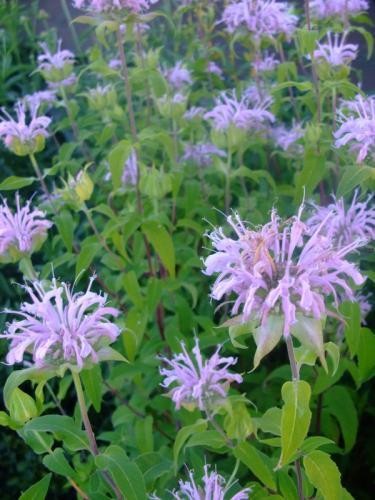
LATIN NAME: Monarda fistulosa
COMMON NAME: Wild Bergamot, Bee Balm
Plant Profile
Wild Bergamot (Monarda fistulosa) grows as an upright, clump-forming, aromatic perennial in the mint family, native to prairies and open woodlands of north America, while it is grown for its fine flowers. Wild bergamot is one of finest of flowers of prairie, and its lavender-pink, ragged blooms and its aromatic leaves have made it a treasured plant of wild garden. Pollinating insects take to the flowers at once, adding a little wildlife interest to its garden value. Few species give back so generously for so little effort.
Science & Biotechnology
Like other members of the mint family, Monarda fistulosa draws steady attention from botanists and plant breeders, who value the genus both as a subject of research and as a source of garden-worthy material. In horticulture, wild bergamot has been studied for its cultivation and its value in prairie and wildflower gardens. Breeders and collectors still work with it, so well-kept seed remains available.
Uses & Benefits
Beyond its ornamental appeal, Wild Bergamot has the practical versatility that makes a plant worth growing from seed year after year. Ecologically, wild bergamot is a keystone of the prairie. Its lavender flowers feed bees, hummingbirds and butterflies through summer, and its aromatic foliage adds to rich life of open meadow, while its tough, spreading growth gives shelter for insects and small animals. Its economic value is real and varied. Mature plants need little attention in a well-chosen position.
Bee balm is a top-tier pollinator plant and a fine tea herb: its thymol-rich leaves made the Oswego tea of early America, a minty, antiseptic infusion still enjoyed today.
Growing from Seed
Wild Bergamot is one of those generous plants that come along well from seed. Growing wild bergamot from seed is easy and very rewarding. Pot seedlings on as they grow and plant them out in a sunny spot in well-drained soil. Sow thinly on the surface of a loose, well-drained seed compost, cover lightly, water in gently and keep the tray in a sunny spot with even moisture. Shift the seedlings into small pots as soon as they can be handled, and give them bright light until planting-out time.
Our Take
Part of this plant’s appeal is the long practical history summarized above. Wild Bergamot, Bee Balm earns its space through character rather than fuss. What it needs is basic: sun, drainage, and a little patience while it establishes.
Related Reading
Gardeners who grow Wild Bergamot often pair it with these related subjects: