


Prunus pseudocerasus Seeds | Chinese Cherry
LATIN NAME: Prunus pseudocerasus
COMMON NAME: Chinese Cherry
Plant Profile
The name fools buyers every spring. Prunus pseudocerasus is the Chinese dwarf cherry, a small, early, sour-sweet tree of central China, not the large heart-shaped sweet cherry of markets and orchards. The sweet cherry is Prunus avium, a bigger, later, self-incompatible European tree, and the two are easy to tell once you see the fruit: pseudocerasus carries small, thin-skinned, bright-red cherries with a sharp edge, while avium gives the fat, mild, dimpled fruit most people picture. Confusing them leads to a tree that fruits at knee height and a grower who expected a ladder crop.
The cherries are small, often under 2 cm, with a soft skin that bruises in the hand and a flavour that leans sour with a sweet finish. They ripen early, ahead of the sweet cherry, and they are eaten fresh, stewed, or made into a tart wine and preserve rather than shipped as dessert fruit. The tree itself stays compact, commonly 2 to 8 m, which is why ‘dwarf’ belongs in the common name and why it fits a small garden or a tight orchard row.
Alongside the anthocyanins, work on Prunus fruit flags the usual cherry polyphenols in the flesh and the stem, the suite that makes the genus useful in food-science screens. The numbers vary by clone and by ripe stage, so quote a range qualitatively rather than a single figure, and trust the eye: the darker the skin, the more pigment in the skin.
Science & Biotechnology
The deep red skin is pigmented with anthocyanins, the same flavonoids studied in sweet and sour cherries for their antioxidant load, and screening of the small-fruited cherries reports coloured skin and flesh rich in these compounds. The thin skin means the pigment is close to the surface, which is part of why the fruit stains the hand and the pan so readily when cooked.
Uses & Benefits
In its home range the fruit is a kitchen staple as much as a snack. It is cooked down with sugar for a sour-sweet sauce, steeped into a light wine, and dried or bottled for the off season. The early ripening means it bridges the hungry gap before other stone fruit arrives, and the small size suits the quick-pick, quick-cook style of the regional table rather than the bulk dessert trade.
Because the skin is thin and the cherry does not travel, most of the crop is sold local and fresh or processed within a short distance of the tree. That keeps the flavour high and the price low, and it is why a traveller meets the real fruit in a market and almost never in an export box. Grow it for the table, not the shelf.
Growing from Seed
The split shows in the wood and the clock. Pseudocerasus flowers with the new leaves in early spring on a short, twiggy frame, while avium opens its white racemes before the leaves on a tall, straight trunk. Pseudocerasus needs less winter chill to set fruit and takes the warm, humid summers of its home range better than the European tree, which cracks and browns in that heat. The fruit shape tells the rest: a small round cherry, not a cordate heart.
For the breeder the low chill and the compact size are the prize, because they let a cherry be grown where avium will not fruit. That is why pseudocerasus appears in stone-fruit work aimed at warm regions, used both as a crop in its own right and as a parent for low-chill selections. The Cerasus pseudocerasus synonym simply reflects the old split that put the cherries in their own genus.
Seed comes true enough for a rootstock or a wild-type tree, but the named eating clones are increased by grafting onto a compatible root, often a seedling cherry or a related stock, because the small-fruited types root and unite well. Sow the cleaned stone after a moist cold rest through the winter, surface-sow and press in, and move the seedling on when it stands 20 to 30 cm with a firm stem. Graft in late winter before the sap runs, and protect the young union from the first hot spell.
Pick the root by the site: a seedling pseudocerasus for a small, early tree, a harder stock where the ground is poor. The bud take is best on a well-fed, actively growing root, and a weak scion pushed too early simply stalls. Time the work by the swell of the bud, not the date, and the union sets in a single warm push.
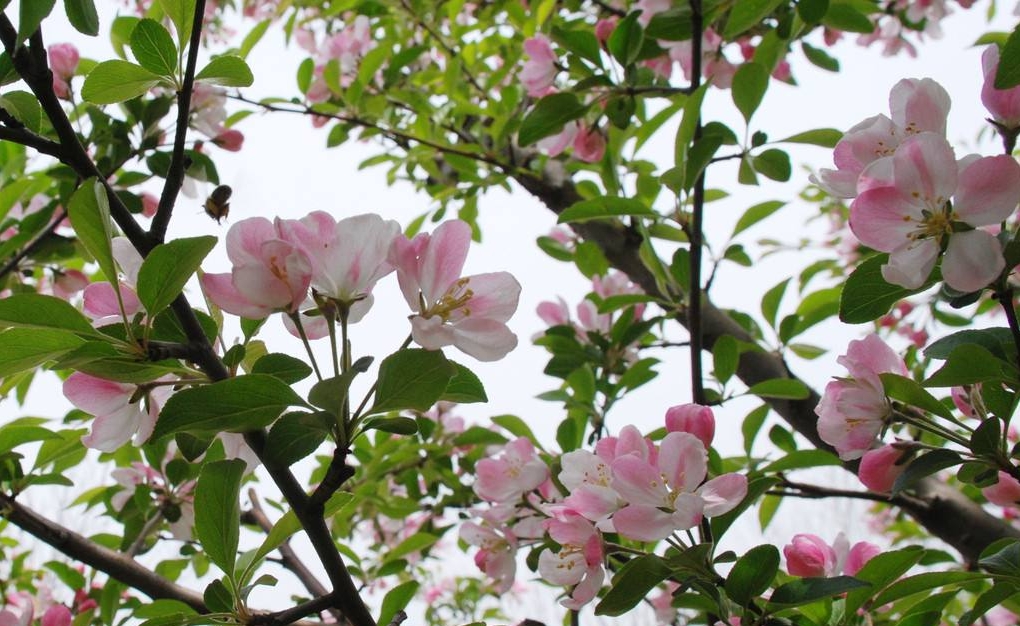
A number of garden clones have been selected for larger fruit or a neater crown, and the species is sometimes trained as a small ornamental tree for the early spring show alone, before the fruit is even picked. The white-to-pink flower clusters open with the leaves and the young bark flushes a warm tone, so the tree earns its space twice, once in flower and once in fruit. For the grower with a small plot it is the cherry that fits where the sweet cherry will not, and the dwarf name is the honest promise of the size, so a single tree against a wall gives both the blossom and the bowl.
Our Take
To keep the two cherries straight, read Cerasus pseudocerasus and the sweet cherry Prunus avium, and for a warm-region relative see Prunus cerasoides. I grow pseudocerasus for the early sour bite and the small tree; it fruits where my avium sulks, and that is the whole argument for it.
Related Reading
Continue exploring with these related plants: