


Citrus aurantium seed
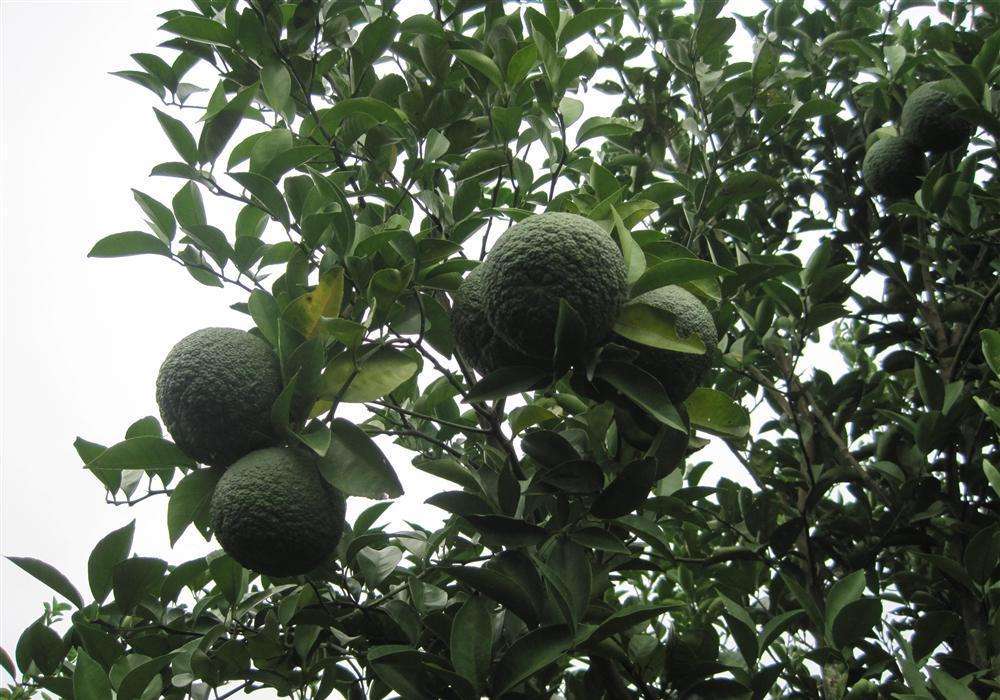
LATIN NAME: CITRUS AURANTIUM
COMMON NAME: Bitter Orange, Sour Orange, Seville Orange
The bitter orange is the fragrant citrus behind many of the world’s classic flavours, a small, rounded evergreen tree, usually three to five metres tall, with glossy, dark green leaves and sharp spines. In spring it is covered with intensely fragrant white flowers, the famous orange blossom, and these are followed by round, orange fruits with a thick, dimpled rind and a sour, bitter pulp that is too sharp to eat fresh but treasured for its rind, its juice and its oil. It is the orange of Seville marmalade, of Grand Marnier and Curaçao, and of neroli oil, one of the most valued of all perfume ingredients. Native to Southeast Asia and cultivated in the Mediterranean for over a thousand years, it is a hardy citrus for warm, sunny, frost-free climates, and it has long been used as a rootstock for other citrus, passing on its toughness to sweeter relatives.
Scientific Research & Plant Biotechnology
The bitter orange has a significant place in food, pharmaceutical and citrus research. The peel and flowers contain volatile oils, including the compound that gives orange blossom its characteristic scent, and the peel is a rich source of flavonoids that have made the fruit an important subject of research for their antioxidant and metabolic activity. Food scientists study its use in marmalade, liqueurs and flavourings, and the peel oil is used widely in the food and perfume industries. The tree is also of great importance in citrus science, because it has served for centuries as a rootstock for sweet oranges and other citrus, and it has been studied for its disease resistance and its horticultural value. For a fruit of such bitter, complex character, the bitter orange has a rich and practical record of research.
Ecological & Economic Value & Wide Applications
Ecologically, the bitter orange is a generous tree. Its intensely fragrant flowers feed bees and other pollinators, its evergreen canopy gives shelter, and its fruits feed birds and wildlife. Economically, the fruits make marmalade and liqueurs, the peel oil flavours foods, liqueurs and perfumes, and the flowers are a major source of neroli oil; the tree is also used as a rootstock for other citrus. For a grower it is a multi-purpose tree with a rich market, and for a gardener it brings fragrance, glossy foliage and a deep connection to the world’s classic flavours.
To grow the Bitter Orange from seed, to start the bitter orange along, sow the seeds fresh from the fruit in pots of moist, free-draining compost, and keep them in steady warmth and good light, evenly watered until the glossy seedlings appear.
sow the seeds fresh from the fruit in pots of moist, free-draining compost, and keep the young oranges in steady warmth and good light, evenly watered until the glossy seedlings appear.
LATIN NAME: Citrus aurantium
COMMON NAME: Bitter Orange, Sour Orange, Seville Orange
The bitter orange is a handsome, fragrant citrus with a long and storied history, and it is the orange behind many of the worlds classic flavours. It grows as a small, rounded evergreen tree, usually three to five metres tall, with glossy, dark green leaves and sharp spines. In spring it is covered with intensely fragrant white flowers, the famous orange blossom, and these are followed by round, orange fruits with a thick, dimpled rind and a sour, bitter pulp. The fruit is too bitter to eat fresh, but it is treasured for its rind and its juice, used to make marmalade, liqueurs and perfumes, and the blossom is one of the most beloved scents in the world.
The bitter orange belongs to the rue family, Rutaceae, and it is native to Southeast Asia, though it has been cultivated in the Mediterranean for over a thousand years. It is a hardy citrus that thrives in warm, sunny, frost-free climates, and it has long been used as a rootstock for other citrus and as an ornamental in its own right.
Positive & Encouraging Seed Germination Guide
Growing a bitter orange from seed is easy and very rewarding. The seeds sit inside the fruits, and they germinate readily in warm, moist conditions. Sow them fresh in pots of free-draining compost, about a centimetre deep, and keep them warm, bright and evenly moist. Germination usually begins within two to six weeks. Grow the young trees on in pots, giving them full sun, warmth and shelter from frost, and keep them lightly moist. In warm regions they can be planted out, and in cooler climates they make beautiful, fragrant potted trees for a sunny conservatory. In time, your seed-raised bitter orange will reward you with its blossom and its fragrant fruits.
Scientific Research & Plant Biotechnology
The bitter orange has a significant place in both food and pharmaceutical research. The peel and flowers contain volatile oils, including the compound that gives orange blossom its characteristic scent, and the peel is a rich source of flavonoids, including the compounds that have made bitter orange an important subject of research for their antioxidant and metabolic activity. In food science, the fruit is studied for its use in marmalade, liqueurs such as Grand Marnier and Curaçao, and flavourings, and the peel oil is used widely in the food and perfume industries. The tree is also of great importance in citrus research, because it has been used for centuries as a rootstock for sweet oranges and other citrus, and it has been studied for its disease resistance and its horticultural value. For a fruit of such bitter, complex character, the bitter orange has a rich and practical record of research.
Ecological & Economic Value & Wide Applications
Ecologically, the bitter orange is a generous tree. Its intensely fragrant flowers feed bees and other pollinators, its evergreen canopy gives shelter, and its fruits feed birds and wildlife.
Its economic value is considerable. The fruits are used to make marmalade and liqueurs, the peel oil flavours foods, liqueurs and perfumes, and the flowers are a major source of neroli oil, one of the most valued of all perfume ingredients. The tree is also used as a rootstock for other citrus. For a grower, the bitter orange is a multi-purpose tree with a rich market, and for a gardener it brings fragrance, glossy foliage and a deep connection to the worlds classic flavours.
Bitter orange