


Camellia sinensis Seeds | Tuo Tea
LATIN NAME: Camellia sinensis
COMMON NAME: Tuo Tea, Pu-erh Tuo Cha, Compressed Tea
Plant Profile
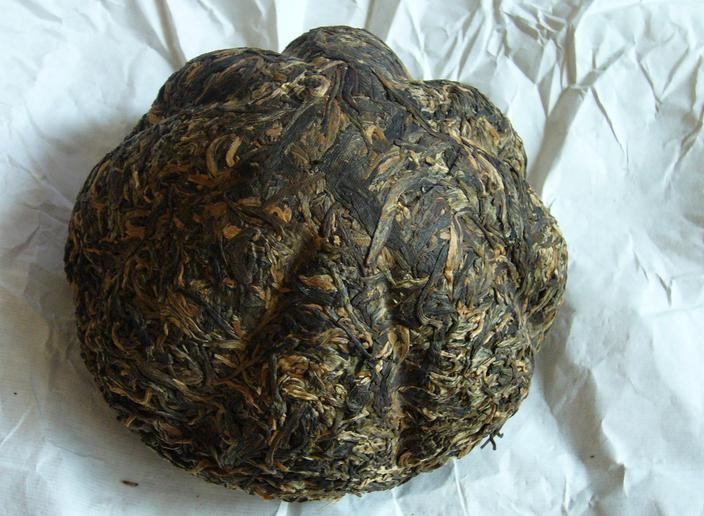
Camellia sinensis, better known as Tuo Tea, is an evergreen shrub in the tea family. Leaves are picked, withered, rolled, fermented and steamed, then pressed into small, nest-shaped cakes which are dried and aged, and tea is known as tuo tea, pu-erh tuo cha or compressed tea. The blooms are worked steadily by bees for as long as they are open. All of this makes Tuo Tea a satisfying plant to grow and to get to know.
Science & Biotechnology
Tea is the world’s most consumed pharmacological preparation. Its catechins — above all epigallocatechin gallate (EGCG) — together with caffeine and the calming amino acid L-theanine account for its documented effects: modest improvements in attention from the caffeine–theanine combination, and cardiometabolic associations in large cohort studies. The evidence has a cautionary footnote: concentrated green-tea extracts taken at high doses on an empty stomach have been linked to rare but serious liver injury, prompting EFSA to flag EGCG doses above roughly 800 mg per day from supplements. Brewed tea, drunk as it has been for two millennia, carries no such concern.
Seed science, comparative botany and horticultural selection all touch on Camellia sinensis, a representative of the tea family with clear practical value. Tuo tea has a real and distinguished place in research. Species like this one find a second career as research material, especially in propagation and breeding work.
Uses & Benefits
Beyond its ornamental appeal, Tuo Tea has the practical versatility that makes a plant worth growing from seed year after year. Ecologically, tea plant is a shrub of warm, misty mountains and shaded gardens. To raise tea plant, sow seeds in pots of acidic, moist compost in a warm, shaded place, keep them gently watered, and grow little tea bushes on in the light. After the first season it asks for very little beyond a place that suits it.
Camellia sinensis is tea, the world’s most studied health beverage, with catechins such as EGCG researched for antioxidant, metabolic and cardiovascular effects. Ornamental camellias share the genus’s polyphenol chemistry, and camellia seed oil is a fine edible oil in East Asia.
Growing from Seed
Tuo Tea is one of those generous plants that come along well from seed. Use a loose, well-drained seed compost, sow evenly over the surface and cover lightly, and keep everything evenly moist in bright light. Pot the young plants on as they grow, harden them off gradually, and plant them into their final positions when sturdy.
Our Take
Tuo Tea, Pu-erh Tuo Cha, Compressed Tea settles in quickly once it finds its footing. The only critical period is germination, when the compost must stay evenly moist.
Related Reading
Readers interested in Tuo Tea frequently explore these as well: