


Rosa rugosa rubra Seeds | Red Rugosa Rose
LATIN NAME: Rosa rugosa rubra
COMMON NAME: Red Rugosa Rose
Plant Profile
The ripened hips of Rosa rugosa carry more vitamin C per gram than almost any other rose, and the plant shrugs off salt spray and beach shingle that would scorch most garden roses. That double act turned it into the backbone of hardy hedge breeding across northern Europe, Canada and the north-eastern United States, where its named cultivars still anchor windbreaks and coastal screens.
The epithet rugosa means wrinkled, and the species earns it: each leaflet is deeply corrugated between a raised network of veins, a texture that sheds rain and resists the black-spot fungus that ruins smoother hybrid foliage. The leaves are dull green above, paler beneath, with five to nine leaflets per compound leaf, and they turn a clear yellow before dropping in autumn.
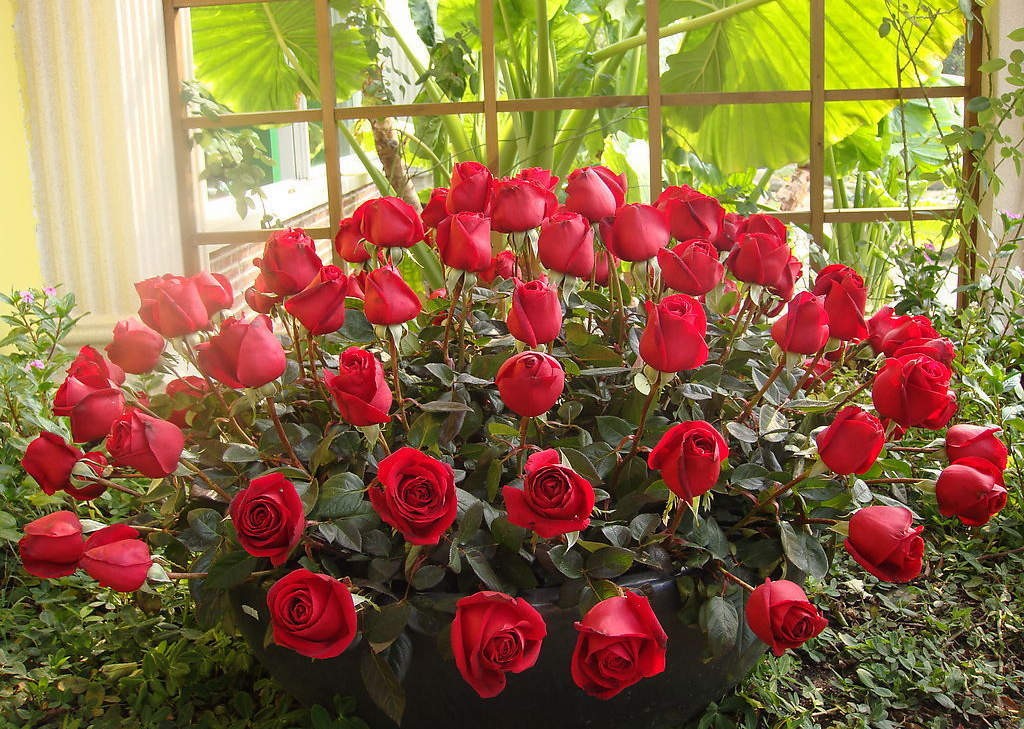
Unlike the stacked petal rows of modern garden roses, rugosa opens a single, open-faced flower with five broad petals and a central boss of golden stamens that bees work heavily. The red form carries crimson petals and a true old-rose scent. Each fertilised flower swells into a large, fleshy, tomato-shaped hip that ripens to glossy red and stays on the bare winter stems, a feature few other roses match for size.
Wild rugosa grows on dunes and cliff margins, so it tolerates saline soil, poor drainage at the root line and winter lows that kill tender shrubs. It also spreads by suckering stems to form a dense thicket, which is exactly why coastal planners value it for stabilising shifting sand and for holding the edge of a storm-exposed bank.
Science & Biotechnology
The petal scent is built on the classic rose monoterpene alcohols citronellol, geraniol and nerol, with traces of phenylethyl alcohol giving the sweet, powdery top note. Breeders steam-distil or solvent-extract petals from fragrant forms to gauge oil quality, because the same genes that please the nose also matter in the cut-flower trade and in the perfumer’s selection of parent plants.
Beyond fragrance, rugosa is rich in hydrolysable tannins of the rugosin type, concentrated in the hips and young leaves. These polyphenols are the target of food and nutraceutical studies on the species, since they sit alongside the vitamin C and flavonoids that make the hips worth harvesting rather than discarding after the flowers fade.
Rugosa crossed with repeat-flowering hybrids gave the tough, disease-free shrub roses sold as rugosa hybrids. Clonal lines are multiplied by softwood cuttings or by micropropagation on a Murashige-Skoog medium, which lets nurseries fix a favoured red-flowered selection without waiting on seed and without losing the salt tolerance of the wild parent.
Uses & Benefits
After the first frost softens them, the hips are seeded, chopped and simmered to make syrup, leathery jam or a sour rose-hip tea. Because the vitamin C is heat sensitive, makers steep rather than boil to keep more of it. The flesh is also dried and ground for herbal blends, or stirred into oatmeal through the cold months.
Crimson petals are candied or infused into rose water and jam, and the fragrant red forms supply the perfumer’s rose absolute that carries the citronellol-geraniol signature. A small handful of petals flavours a bowl of yogurt or a glass of lemonade, and the dried petals scent a simple sugar for baking.
Planted three across, rugosa makes an impassable hedge two metres tall, and its suckers knit dune sand so coastal roads stay open. Many towns use it where winters are too cold for box or privet, and the thorny twig frame also gives cover for nesting songbirds through the breeding season.
Growing from Seed
Fresh hips are crushed and the seeds cleaned, then given a cold moist rest in a bag of damp sand and peat to break dormancy. Sow the cleaned seed in a free-draining sandy loam, covered about its own depth, and keep the bed just moist so the seed coat does not dry and harden again before the embryo moves.
Set seedlings or liners about one metre apart for a hedge, wider for specimen shrubs. Move a young plant once it reaches twenty centimetres and shows three or four true leaves, handling the root ball with care because rugosa dislikes long bare-root exposure and will stall if the fine feeder roots dry during the move.
Trim suckers only where you want a tidy edge, and cut old wood to the base every few years to renew flowering. Feed lightly in spring; the plant asks little else and stands hard frost without protection, though a mulch of composted bark keeps the shallow roots cool through a hot, dry summer.
Our Take
Rugosa is the rose I point coastal gardeners to when hybrid teas fail. If you want a different wild character, the related Rosa canina gives slender hips, while Rosa rubiginosa and Rosa davurica share the same tough, northern habit. For a North American native look, see Rosa virginiana.
Related Reading
If Red Rugosa Rose appeals to you, these related plants are worth a look: