


Harpagophytum procumbens Seeds | Devils Claw
LATIN NAME: Harpagophytum procumbens
COMMON NAME: Devil’s Claw
Plant Profile
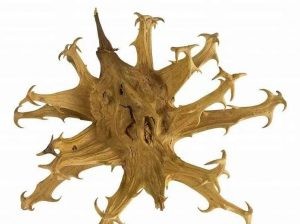
Harpagophytum procumbens — Devil’s Claw — is a species in the sesame family (Pedaliaceae) with genuine garden merit. Devil claw claws long, trailing stems that spread over dry ground with lobed, grey-green leaves and large, trumpet-shaped, pink-purple flowers with paler throat, woody fruits following, each armed with long, curved hooks that catch on passing animals. It likes sun, and light, sandy, well-drained soil. Its open flowers are a reliable stop for bees and other pollinating visitors. Taken as a whole, it is a plant that repays a little attention many times over.
Science & Biotechnology
Devil’s claw is standardised on the iridoid glycoside harpagoside, and the European monographs base dosing on 50–100 mg of harpagoside per day. At that level the evidence is among the better in herbal rheumatology: randomised trials in non-specific low back pain found standardised extracts superior to placebo and, in one study, comparable to rofecoxib 12.5 mg daily, while a four-month double-blind trial of 122 patients with hip and knee osteoarthritis found the extract at least as effective as diacerein, with significantly less rescue NSAID use. Evidence for inflammatory arthritis, by contrast, is negative. The herb is contraindicated in gastric and duodenal ulcers.
Botanists studying the sesame family regularly include Harpagophytum procumbens in comparative work, and the species also appears in horticultural trials aimed at gardeners and growers. In sesame family, devil claw holds a curious, well-studied place in research on medicinal roots and desert plants. Species like this one find a second career as research material, especially in propagation and breeding work.
Uses & Benefits
Devil’s Claw brings genuine presence to the garden and earns its keep across the growing season. In dry, sunny garden, devil claw trumpets pink and claws the fruits. Tubers have served traditional preparations for generations, large, trumpet-shaped flowers draw bees, and hooked fruits spread seeds in the wild. It stands desert heat and drought very well and grows in light, sandy, well-drained ground. Routine care after establishment is refreshingly light.
Devil’s claw root is one of the best-documented herbal medicines for back and joint discomfort, with European clinical trials and official monographs supporting its use; its harpagoside iridoids drive the research.
Growing from Seed
Seed is the natural starting point for Devil’s Claw, and the process is uncomplicated. Sow on the surface of a gritty, well-drained mix, cover lightly with fine compost, and maintain gentle, even moisture in a sunny position. Grow the youngsters on steadily in pots until well rooted, then move them to their final positions.
Our Take
Devil’s Claw is the kind of plant that rewards a permanent spot. Sun, free drainage and a patient first year are all it really requires.

Related Reading
If Devil’s Claw appeals to you, these related plants are worth a look: