


Cervus nippon | Deer Penis
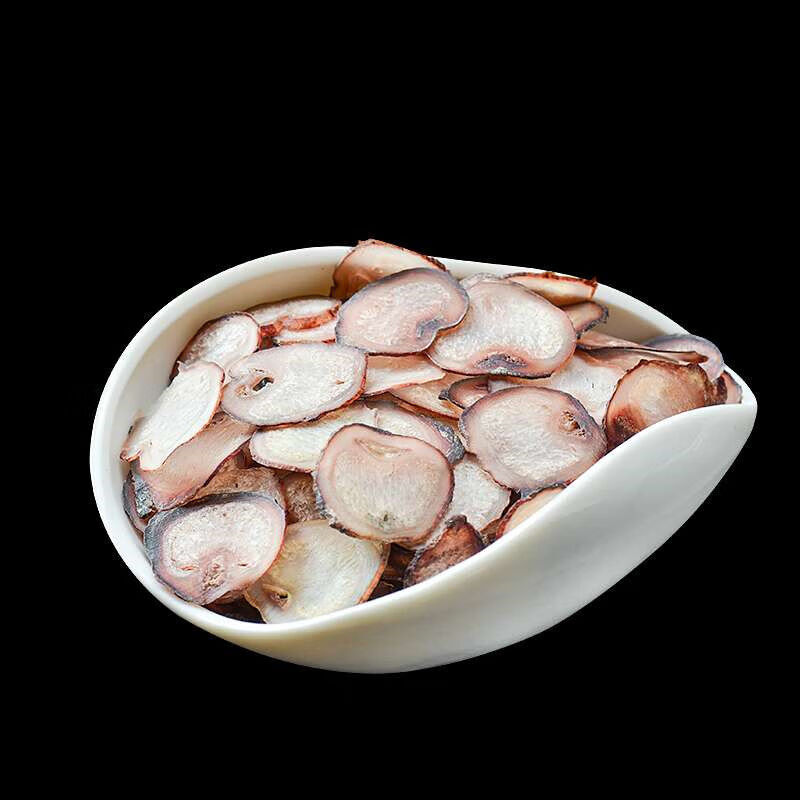
LATIN NAME: Cervus nippon
COMMON NAME: Deer Penis (Lu Bian)
Species Profile
Deer penis, lu bian, is sold dried and sliced, a pale amber material with a translucent, cartilaginous look. It comes from farmed Cervus nippon or C. elaphus and is a by-product of the venison trade rather than a purpose-raised product, which is why supply varies with the meat market.
The slice is mostly connective tissue: collagen bundles, elastic fibres and the smooth muscle of the corpus cavernosum, with very little that would survive digestion as an active compound. In the Chinese materia medica it is classified as a kidney-yang tonic, which is the category that carries most of the aphrodisiac marketing.
Science & Biotechnology
There are no controlled human trials. The literature consists of composition studies and of pharmacological work on related tonics, none of which isolates this material. Claims about testosterone or about erectile function rest on analogy with other animal tonics, not on measurement.
What can be measured is what the slice contains: collagen, some amino acids, traces of minerals, and whatever was used to preserve it. Drying and storage conditions vary widely, and imported material is sometimes treated with preservatives that are not declared. Adulteration with penis from other species, or with dried tendon, is common enough that customs seizures regularly report it.
Uses & Benefits
The usual preparation is a long simmer with herbs, or slicing into a spirit for weeks. Dose in published formulas is three to nine grams, and the taste is bland and gelatinous.
No benefit has been demonstrated in a clinical setting, and the product should not be used as a substitute for treating erectile dysfunction, which has effective and well-studied options. Men with prostate cancer or on hormone therapy should avoid animal hormone-containing tonics altogether. In practice the slice is used as much for the ritual of preparation as for any expected effect.
Source & Harvest
Animals are slaughtered for meat and the organ is collected, cleaned, dried and sliced. Because it is a by-product, there is no dedicated welfare standard, and the trade is largely unregulated at the point of sale.
Several source species are protected or subject to wildlife trade rules, and the slice cannot be identified to species by eye. Paperwork matters more here than for most herbal products: without a stated species and origin, the buyer has no way to know what is on the plate. Slices from different farms can differ in colour by several shades, which reflects drying rather than quality.
Farming is the same as for any deer herd: pasture, good fencing and quiet handling, with the organ collected at slaughter rather than from a live animal. There is no cultivation step to speak of.
Quality control is the real work. Slices should be dry, uniform, free of mould and of a chemical smell, and should come with a species declaration. Most of the value in the trade is created by packaging and by claims, not by the material itself. Slices from older animals are coarser and darker, and they are graded down accordingly in the market.
Our Take
A by-product with a long traditional listing and no clinical support; the money is better spent on a diagnosis and a proven treatment.
Related Reading
If Lu Bian interests you, these related tonics are worth a look: