


Taxus chinensis Seeds | Chinese Yew
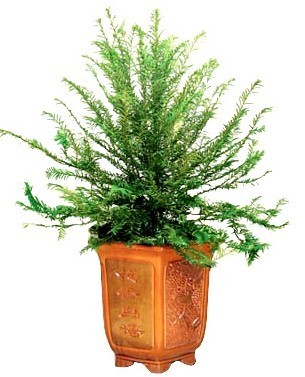
LATIN NAME: Taxus chinensis
COMMON NAME: Chinese Yew
Plant Profile
Among the ornamental and useful plants raised from seed, Chinese Yew (Taxus chinensis) stands out as a tree. The Chinese yew bears on its dark, evergreen branches with small, scarlet, fleshy cups that hold hard seeds through autumn, soft, dark-green needles lining twigs, and the whole tree carrying the ancient, sombre look of the great yews. Red arils stand out against dark foliage, bark flakes in thin, reddish-brown plates, and tree grows slowly into dense, long-lived tree of mountain forests. Wood is hard and fine, and bark has been studied for medicinal chemistry for generations. During flowering it gives bees and other insects a dependable food source. These traits together are what have kept the plant in gardens for so long.
Science & Biotechnology
As part of the Taxus group, Taxus chinensis contributes to research on plant classification and adaptation, while nurseries and gardeners continue to trial it for cultivation. Yews hold a recognised place in conifer conservation and pharmaceutical research alike, and the Chinese yew appears in studies of taxane compounds in the bark. With present-day seed handling, raising this species well within the reach of any careful grower.
Uses & Benefits
Beyond its ornamental appeal, Chinese Yew has the practical versatility that makes a plant worth growing from seed year after year. In shaded garden, the Chinese yew brings ancient, settled presence. Dark, evergreen foliage holds structure through year, scarlet arils stand out in autumn and feed birds that scatter seeds, and fine, hard wood has served carving and the furniture. Bark has been studied for the medicine. In later seasons it demands little more than an appreciative eye.
Yews gave oncology paclitaxel, Taxol, from their bark, a landmark anticancer drug; every part of the tree is dangerously toxic except the red aril’s flesh, so yews are magnificent garden conifers to admire, never to sample.
Growing from Seed
Raising Chinese Yew from seed is straightforward. Sow the seeds evenly over the surface and cover lightly in a loose, well-drained seed compost, keep the sowing evenly moist, and give the pot or tray partial shade. Grow the youngsters on steadily in pots until well rooted, then move them to their final positions.
Our Take
Chinese Yew settles in quickly once it finds its footing. Few garden plants carry such a documented history of use as this one does. From then on, routine care is all that is required.
Related Reading
Continue exploring with these related plants: