


Lagenaria siceraria Seeds | Big Fruit Gourd
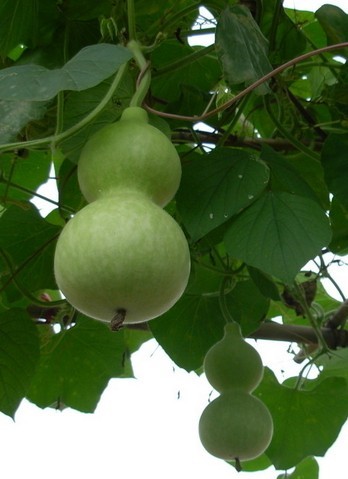
LATIN NAME: Lagenaria siceraria
COMMON NAME: Big Fruit Gourd, Bottle Gourd
Plant Profile
Known to gardeners as Big Fruit Gourd, Lagenaria siceraria is a noteworthy species. During flowering it gives bees and other insects a dependable food source. Put simply, this is a rewarding species for anyone willing to give it a suitable spot.
Science & Biotechnology
Like other members of the Lagenaria group, Lagenaria siceraria draws steady attention from botanists and plant breeders, who value the genus both as a subject of research and as a source of garden-worthy material. Its exceptionally large fruit potential has also made oversized selections like this one popular subjects within competitive giant vegetable growing community, where growers study cultivation techniques for maximising fruit size. Modern propagation practice has made this species straightforward to raise by ordinary good methods.
Uses & Benefits
In the garden, Big Fruit Gourd earns its place in borders, containers and mixed plantings, and it also rewards growers who raise plants for cutting, drying or kitchen use. Once thoroughly dried, this gourd’s hard shell has been used for millennia to make containers, bowls, musical instruments and birdhouses across cultures worldwide, a practical craft use with genuinely ancient roots. Given the right start, it carries on with minimal intervention.
Bottle gourd is a tender vegetable and the source of calabash vessels and instruments; only sweet, non-bitter fruits are edible, since bitter ones carry toxic cucurbitacins.
Growing from Seed
Big Fruit Gourd grows readily from seed. Nick or lightly sand hard seed coat and soak it in warm water overnight before sowing into a loose, well-drained mix. Keep medium warm and consistently moist, provide bright light and a sturdy support or ample ground space, and this vigorous vine typically produces its large, distinctive fruit over a single warm growing season. Surface-sow onto a light, well-drained compost, dust over a thin covering, and keep evenly moist and sunny until the seedlings show. Transplant the sturdiest seedlings to their permanent spots and let them develop without disturbance.
Our Take
The medicinal tradition behind this species, outlined above, is a large part of its interest. Within its genus it stands out for garden reliability. Once the young plants are away, there is little left to do but watch them grow.
Related Reading
Readers interested in Big Fruit Gourd frequently explore these as well: