


Stipagrostis pungens Seeds | Pungent Needlegrass
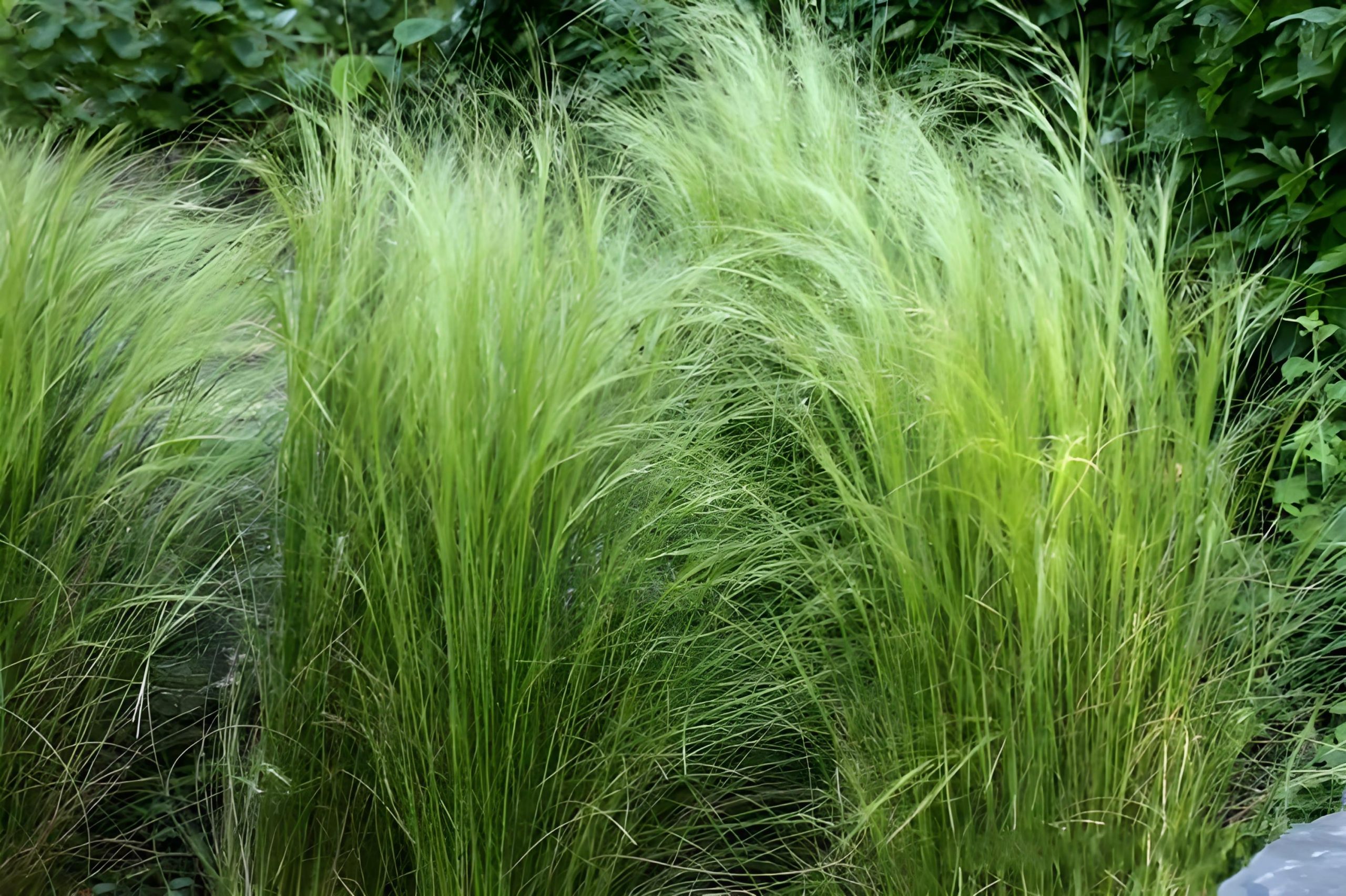
LATIN NAME: Stipagrostis pungens
COMMON NAME: Pungent Needlegrass
Plant Profile
Pungent Needlegrass (Stipagrostis pungens) is a tough, clumping grass. During flowering it gives bees and other insects a dependable food source. For the gardener, the sum of these traits is a plant that is easy to live with.
Science & Biotechnology
Botanists studying the Stipagrostis group regularly include Stipagrostis pungens in comparative work, and the species also appears in horticultural trials aimed at gardeners and growers. Feathery awns of pungent needlegrass give it a recognised place in research on sand-binding grasses of warm deserts, and pungens species appears in studies of dune fixation and awn structure. Centuries of cultivation have left a detailed record of how it grows and behaves.
Uses & Benefits
Pungent Needlegrass brings genuine presence to the garden and earns its keep across the growing season. Roots bind loose sand, feathery heads catch light and wind, and grass makes striking clump. It grows well in light, sandy, well-drained, sunny ground. Scatter seeds over surface of gritty, sandy mix, then press them in, keep tray bright and on dry side, and seedlings break through within a week or two. Getting it going is easy; keeping it going is easier still.
Like the best garden herbs, it rewards growers twice: once in the garden with scent and pollinators, and again in the home as a traditional household herb.
Growing from Seed
Raising Pungent Needlegrass from seed is straightforward. Surface-sow onto a light, well-drained compost, dust over a thin covering, and keep evenly moist and sunny until the seedlings show. Prick the seedlings out once they are large enough to handle, grow them on in bright light, and plant out when conditions allow.
Our Take
Pungent Needlegrass is the kind of plant that rewards a permanent spot. Plant it in sun with drainage to its liking and the rest is easy.
Related Reading
Continue exploring with these related plants: