


Brassica oleracea Seeds | Kale Zhongs
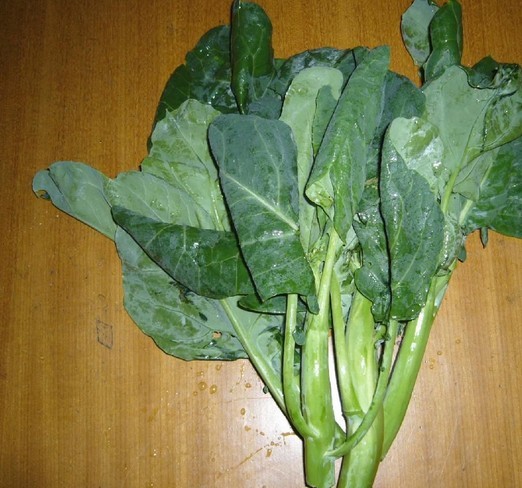
LATIN NAME: Brassica oleracea
COMMON NAME: Kale
Plant Profile
Botanically kale is Brassica oleracea var. sabellica, also written var. acephala, the headless form of the wild cabbage. The leaves are deeply ruffled or curled, sometimes near-black, sometimes purple, carried on stout stems that can reach a metre in a long season. Unlike the headed cabbages it is the same species as, kale never wraps a tight heart, and that open habit is what lets it shrug off cold.
Frost triggers the plant to move starch into sugar as a kind of antifreeze, and the result is a milder, almost sweet leaf after a cold snap that was too bitter to enjoy in summer. This is the single best reason to grow kale for autumn and winter picking rather than for the heat of summer, when the leaf turns tough and the flavour harsh.
Like every brassica, kale stores glucosinolates in its cells, harmless until the leaf is cut or chewed and the enzyme myrosinase meets them, releasing the pungent isothiocyanates that give the cabbage family its bite. The mix is the plant’s defence and the source of the sharp, sulphurous note that defines kale on the tongue.
Kale slips into winter soups and stews, stands in for spinach in a pie, and, torn small, crisps into the oven into the snack called kale chips. The frilled leaf holds oil and salt well, which is why the chip works, and the sturdy vein means the piece stays green rather than browning.
The old Western types include Lacinato, the narrow, blistered dinosaur kale, and Red Russian, the purple-veined, soft-leaf form, but the seed houses of East Asia list many more numbered kale zhongs, selections bred for tenderness, colour, or cold hold. A zhong is simply a cultivar in that trade, and the list runs long enough that a grower can pick a leaf for almost any climate.
Science & Biotechnology
Among the glucosinolates in kale, sinigrin and progoitrin sit at the front, with glucobrassicin and gluconasturtiin close behind. These are the same compounds studied across the cabbage family for their role in human health, though in large raw amount the goitrogen side of progoitrin is why cooks lightly steam the leaf rather than eat it by the bowlful raw.
When myrosinase acts on glucoraphanin, the result is sulforaphane, the isothiocyanate that has drawn the most research attention in brassicas. Kale carries less glucoraphanin than broccoli but still yields sulforaphane on cutting, and the compound forms best when the chopped leaf rests a few minutes before it meets heat, a small kitchen trick backed by the enzyme timing.
Uses & Benefits
Kale is the cabbage that forgot to make a head, a brassica bred instead for a loose rosette of blue-grey, frilled leaves that only get sweeter after the frost bites. Where lettuce and spinach wilt at the first cold, a row of kale stands through snow and tastes better for it, which is why it was the winter green of northern Europe long before the supermarket stocked year-round salad.
The flowering kale of the bedding trade is the same species, bred for a rosette of red and white leaves rather than for eating, and it shows how close the vegetable and the ornament sit in Brassica oleracea. Plant the edible kind for the table and the ornamental kind for the border, and both come from one wild cabbage.
Growing from Seed
Kale likes a cool start, so sow the seed in a drilled bed about 1 cm deep on firm, moist soil and keep it cool until the seedlings stand. The plant is a biennial that you grow as a winter annual, and it wants a rich, deeply worked ground to build its big leaves.
Move the seedlings when the third true leaf has opened, setting them 35 to 45 cm apart so the rosette has room to spread and the air can move through the leaves. Wide spacing lowers the risk of the aphid and caterpillar trouble that crowds invite, and it lets you pick the outer leaves for months.
As the plant grows, take the lower leaves from the outside and leave the crown to keep producing, and the row will feed you from autumn into the cold. A mulch of compost around the base keeps the root cool and the leaf coming, and a hard frost only improves what you harvest.
Our Take
Kale is the one brassica I trust to still be standing in January, and the frost-sweet leaf is worth the wait. Give it room, pick from the outside, and it pays all winter.
Related reading: Brassica oleracea seed and Broccoli seed.
Related Reading
Continue exploring with these related plants: