


Camellia sinensis Seeds | Pu-erh Tea
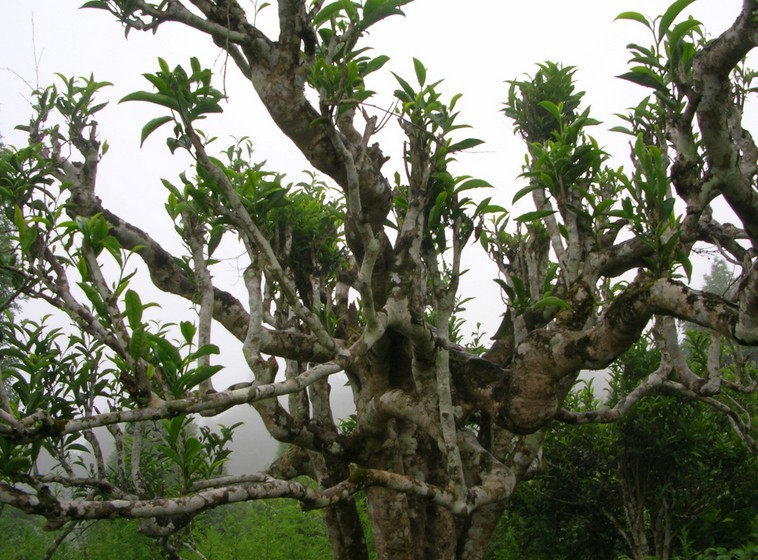
LATIN NAME: Camellia sinensis
COMMON NAME: Tea Plant
Plant Profile
Tea Plant (Camellia sinensis) is a shrub in the camellia family. Tea plant holds its small, oval, glossy, toothed leaves and small, white, fragrant flowers in leaf axils, and the whole shrub stands in the neat, evergreen clumps. It is a shrub of open, sunny, deep, rich, moist, well-drained ground. These traits together are what have kept the plant in gardens for so long.
Science & Biotechnology
Tea is the world’s most consumed pharmacological preparation. Its catechins — above all epigallocatechin gallate (EGCG) — together with caffeine and the calming amino acid L-theanine account for its documented effects: modest improvements in attention from the caffeine–theanine combination, and cardiometabolic associations in large cohort studies. The evidence has a cautionary footnote: concentrated green-tea extracts taken at high doses on an empty stomach have been linked to rare but serious liver injury, prompting EFSA to flag EGCG doses above roughly 800 mg per day from supplements. Brewed tea, drunk as it has been for two millennia, carries no such concern.
As part of the camellia family, Camellia sinensis contributes to research on plant classification and adaptation, while nurseries and gardeners continue to trial it for cultivation. Raising it from seed today is a matter of ordinary good practice rather than specialist skill.
Uses & Benefits
Gardeners value Tea Plant for its ornamental character, and the plant also fits naturally into herb, vegetable and cutting gardens. Tea plant is a fine, quiet shrub of warm garden and study collection. It is a fine, quiet shrub of open, sunny, deep, rich, moist, well-drained garden. Give young plants deep, rich, moist bed, and glossy leaves will come in years to come. Once it has settled, the workload drops to almost nothing.
Camellia sinensis is tea, the world’s most studied health beverage, with catechins such as EGCG researched for antioxidant, metabolic and cardiovascular effects. Ornamental camellias share the genus’s polyphenol chemistry, and camellia seed oil is a fine edible oil in East Asia.
Growing from Seed
Tea Plant grows readily from seed. Sow thinly on the surface of a loose, well-drained seed compost, cover lightly, water in gently and keep the tray in a sunny spot with even moisture. Transplant the sturdiest seedlings to their permanent spots and let them develop without disturbance.
Our Take
Tea Plant repays a little patience at sowing time with plenty of garden presence later.

Related Reading
Readers interested in Tea Plant frequently explore these as well: